Introduction
Search engine optimization has evolved significantly over the years. Previously, many website owners focused heavily on inserting target keywords multiple times into their content to improve search rankings. However, modern search engines have become much better at understanding the meaning, context, and intent behind search queries. This shift has made Semantic SEO an important strategy for businesses, bloggers, and digital marketers who want to improve their online visibility without relying on keyword stuffing. Instead of simply repeating keywords, Semantic SEO focuses on creating meaningful, informative, and contextually relevant content that answers users' questions.
What Is Semantic SEO?
Semantic SEO is an approach to search engine optimization that focuses on the meaning and relationships between words, topics, and concepts rather than targeting individual keywords in isolation. It helps search engines understand what a webpage is actually about by providing relevant information, related terminology, supporting topics, and useful context. For example, an article about digital marketing may naturally include discussions about content marketing, search engine optimization, social media strategies, conversion rates, and audience targeting. These related concepts help establish the overall subject of the content and provide readers with a more comprehensive understanding.
By using Semantic SEO, businesses can create content that addresses a broader range of relevant search queries while maintaining a natural writing style. This approach also helps search engines connect webpages with users who are looking for specific information, even when their search queries do not exactly match the wording used in the article.
Why Keyword Stuffing No Longer Works
Keyword stuffing involves repeatedly inserting the same keyword into a webpage in an attempt to manipulate search engine rankings. Although this technique was more common in the early days of SEO, it can now negatively affect content quality and user experience. Excessive keyword repetition makes articles difficult to read, reduces their credibility, and often fails to provide meaningful answers to users' questions.
Modern search engines evaluate content using a variety of signals to understand relevance and usefulness. Google's spam policies also identify keyword stuffing as a form of spam. Therefore, businesses should prioritize natural keyword placement, clear explanations, and relevant information instead of attempting to manipulate rankings through repetition.
How Semantic SEO Helps Websites Rank Without Keyword Stuffing
One of the biggest advantages of Semantic SEO is that it allows websites to target a wider range of related search queries through comprehensive content. Rather than creating separate articles for every small keyword variation, businesses can develop detailed resources that cover an entire topic. This creates stronger topical relevance and helps search engines understand the relationship between different pages on a website.
Another important factor is search intent. Users search online for different reasons, including learning about a topic, comparing products, finding solutions, or making purchasing decisions. Content that understands and addresses these intentions is more likely to provide a satisfying search experience. For example, a user searching for CRM software may want to understand its features, benefits, pricing, automation capabilities, and business applications. A comprehensive article covering these related questions can provide more value than a page that simply repeats the phrase CRM software throughout the content.
Semantic SEO also supports topical authority. When a website consistently publishes useful and interconnected content around a particular subject, it creates a stronger content structure. Relevant internal links between articles help users discover additional information while allowing search engines to understand how different pages relate to one another.
Practical Strategies for Implementing Semantic SEO
The first step toward implementing Semantic SEO is understanding the primary topic and identifying the questions users commonly ask about it. Keyword research tools, search suggestions, and Google's People Also Ask section can help uncover related topics and search queries. These insights can be used to build content that addresses the audience's actual information needs.
Next, focus on developing comprehensive content instead of writing articles around a single keyword. Include relevant subtopics, examples, explanations, and practical solutions. Organize the information using descriptive headings and subheadings so readers can easily understand the structure of the article. Naturally incorporate related terms and concepts wherever they improve the explanation.
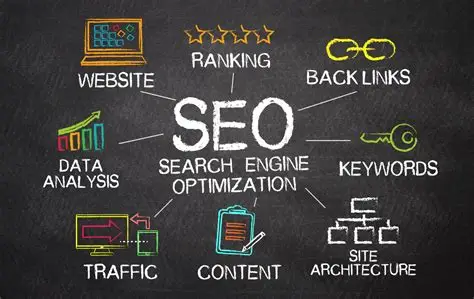
Internal linking is another important part of a successful semantic SEO strategy. Connecting related articles helps establish relationships between different topics on a website. For instance, a website publishing content about SEO can internally link articles about technical SEO, keyword research, content optimization, link building, and search intent. This creates a more connected information structure.
Businesses should also pay attention to structured data where appropriate. Schema markup can help search engines interpret specific information on webpages, such as articles, products, organizations, and events. Although structured data does not guarantee higher rankings or rich results, it can improve how search engines understand and present eligible content.
Finally, regularly review existing content to identify outdated information, missing explanations, broken internal links, and opportunities to improve topical coverage. Updating content with accurate information and genuinely useful insights can help maintain its relevance over time.
The Role of Search Intent in Semantic SEO
Search intent plays a central role in modern SEO because search engines aim to provide results that match what users are actually looking for. A webpage may contain all the right keywords but still struggle to perform if it does not satisfy the user's purpose.
For example, someone searching for "how to improve website SEO" is likely looking for practical guidance, while someone searching for "best SEO agency" may be comparing service providers. Creating content that matches these different intentions improves relevance and helps visitors find the information they need.
Understanding search intent also allows businesses to develop content for different stages of the customer journey. Informational blogs can attract visitors, comparison articles can help potential customers evaluate solutions, and detailed product pages can encourage conversions.
Semantic SEO and the Future of Search
Search technology continues to evolve with artificial intelligence, natural language processing, and more advanced methods of understanding information. Search engines increasingly interpret relationships between concepts rather than depending exclusively on exact keyword matches. This makes context-rich content, clear information architecture, and genuine subject expertise increasingly important.
The growing use of AI-powered search experiences also highlights the importance of publishing accurate, well-organized, and informative content. Businesses that focus on answering real questions and demonstrating subject knowledge can build a stronger foundation for visibility across traditional search engines and emerging AI-driven discovery platforms.
However, Semantic SEO should not be treated as a shortcut to guaranteed rankings. Search performance also depends on technical website health, content quality, competition, backlinks, page experience, and other ranking systems.
Conclusion
Semantic SEO represents a more meaningful approach to improving search visibility. Instead of relying on excessive keyword repetition, it encourages businesses to create informative, relevant, and well-structured content that addresses users' needs. By understanding search intent, covering related concepts, building topical authority, and using effective internal linking, websites can develop a sustainable SEO strategy without keyword stuffing. As search engines become increasingly sophisticated, businesses that prioritize context, relevance, and user experience will be better positioned to build long-term organic visibility and attract the right audience
To read more such articles kindly visit : Devobyte