In today's competitive digital landscape, attracting visitors to a website is only half the battle. Many B2B businesses invest heavily in search engine optimization (SEO), paid advertising, content marketing, and social media campaigns to increase website traffic. However, despite receiving hundreds or even thousands of visitors, some businesses struggle to generate leads, receive consultation requests, or convert visitors into paying customers. When a high-traffic B2B website has a 0% conversion rate, the problem may not be the lack of traffic but the presence of hidden issues within the conversion funnel. From unclear messaging and poor user experience to technical errors and ineffective calls to action, several factors can prevent potential customers from taking the next step. Understanding these problems is essential for businesses that want to improve website performance, strengthen lead generation, and achieve better returns on their digital marketing investments.
Understanding the B2B Conversion Funnel
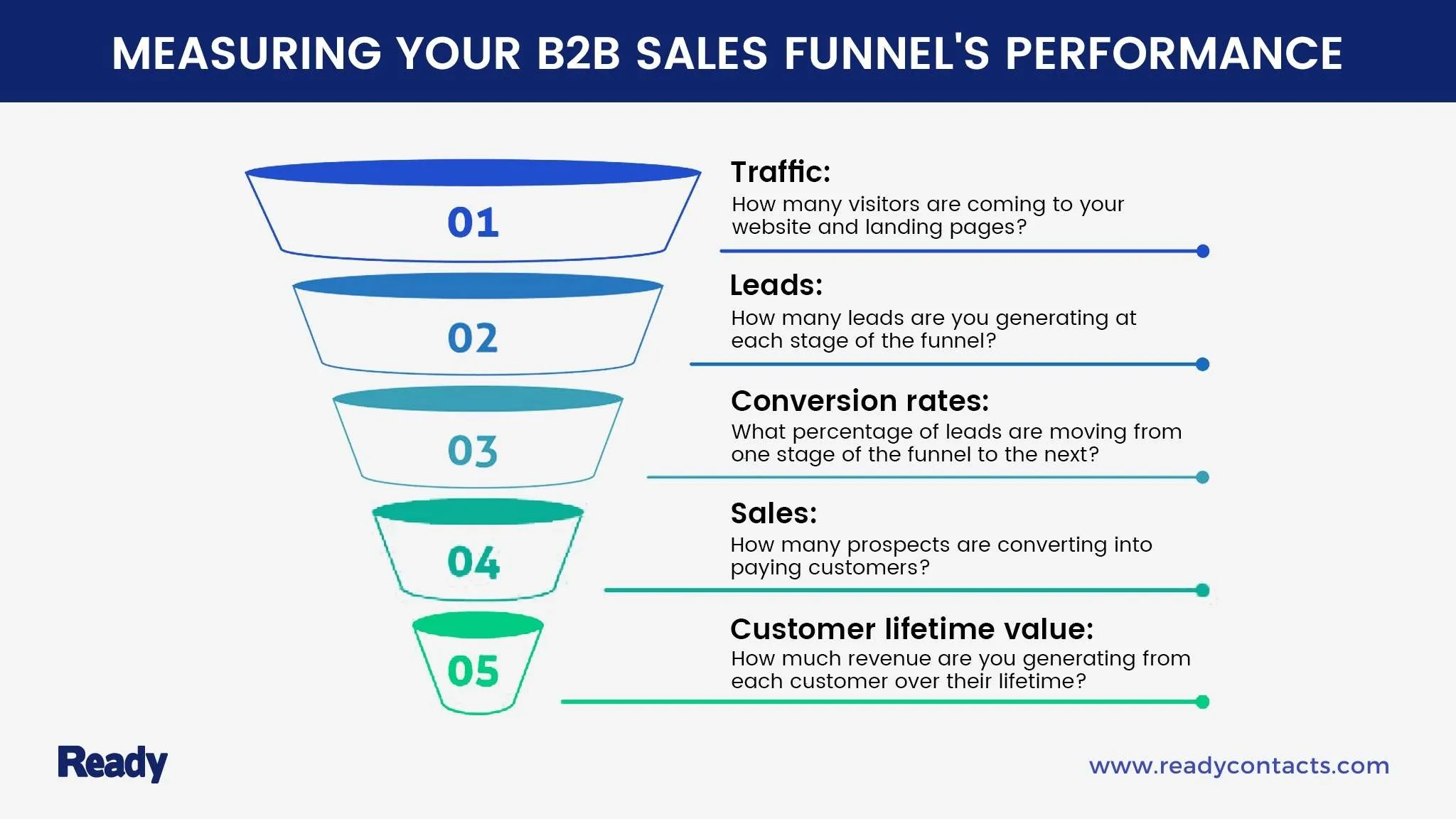
A B2B conversion funnel represents the journey a potential customer takes from discovering a business to becoming a qualified lead or customer. This journey typically begins when someone visits a website through a search engine, advertisement, social media platform, or referral. The visitor then explores the company's services, evaluates its expertise, compares alternatives, and decides whether to make an inquiry or schedule a consultation. Unlike many consumer purchases, B2B buying decisions often involve multiple stakeholders, longer evaluation periods, and significant financial considerations. Every stage of this journey presents an opportunity to build trust and encourage action, but it can also create a point where visitors lose interest. If the website fails to answer important questions, communicate its value, or make the next step clear, potential customers may leave without converting. Effective conversion funnel optimization focuses on identifying these gaps and creating a smoother experience that helps visitors move from initial interest to meaningful business engagement.
Attracting the Wrong Kind of Website Traffic
One of the most common reasons a high-traffic B2B website fails to generate leads is that it attracts the wrong audience. Website traffic numbers may look impressive in analytics reports, but they do not necessarily indicate that visitors are interested in purchasing a product or service. A software development company, for example, might attract thousands of visitors searching for free coding tutorials, programming definitions, or beginner learning resources. Although these visitors contribute to website traffic, they may have no intention of hiring a development partner. This problem often occurs when businesses focus exclusively on high-volume keywords without considering search intent. To address it, companies should analyze their traffic sources, search queries, landing pages, and audience behavior to determine whether visitors match their ideal customer profile. Creating content around commercial keywords, industry-specific challenges, service comparisons, and purchasing decisions can help attract more relevant prospects. The goal is not simply to increase traffic but to bring visitors to the website who are more likely to become qualified leads.
An Unclear Value Proposition That Fails to Capture Attention
When visitors arrive on a website, they should quickly understand what the business offers, who it serves, and why its services matter. Unfortunately, many B2B websites rely on generic statements such as "We deliver innovative solutions" or "Transforming businesses through technology." Although these phrases may sound professional, they do little to explain the company's actual value. Visitors should not have to explore multiple pages to understand what makes a business different from its competitors. A strong value proposition communicates the specific problems a company solves and the benefits customers can expect. For instance, a custom software development company could explain how it helps growing businesses automate manual processes, improve operational efficiency, and build digital products tailored to their workflows. Clear messaging allows potential customers to determine whether the company understands their needs. Businesses should review their homepage headlines, service descriptions, and landing-page content to remove unnecessary jargon and replace vague claims with specific, customer-focused messaging. A clear value proposition creates a stronger first impression and gives visitors a reason to continue exploring the website.
Weak Calls to Action That Leave Visitors Without a Clear Next Step
Even when a website attracts the right audience and communicates its value effectively, conversions may remain low if visitors do not know what to do next. Calls to action, commonly known as CTAs, guide users toward the next stage of the customer journey. Examples include "Book a Consultation," "Request a Demo," "Get a Project Estimate," and "Speak to Our Team." However, some websites use vague phrases such as "Learn More" or "Submit" without explaining the value of taking action. Other websites overwhelm visitors with too many competing buttons, making it difficult to identify the most important next step. Effective calls to action should be clear, relevant, and appropriate for the visitor's stage in the buying journey. Someone reading an introductory blog post may prefer a practical guide, while a visitor reviewing a service page may be ready to request a consultation. Businesses should experiment with CTA wording, placement, and offers to identify what encourages meaningful engagement. Every important page should provide a logical next step that helps visitors move closer to becoming potential customers.
Technical Problems That Prevent Visitors From Converting
Sometimes, the reason a B2B website receives traffic but generates no conversions is a technical issue rather than a marketing problem. Contact forms may fail to submit, buttons may lead to broken pages, booking links may direct visitors to incorrect destinations, or integrations may prevent submitted inquiries from reaching the sales team. These problems can remain unnoticed if businesses focus primarily on traffic reports without regularly testing their websites. Website speed and mobile performance can also influence conversion behavior. Slow-loading pages, unstable layouts, and difficult navigation may cause visitors to leave before engaging with the content. Businesses should test their most important conversion paths regularly by completing forms, clicking buttons, checking confirmation messages, and verifying that inquiries reach the correct inbox or customer relationship management (CRM) system. Technical audits should also examine broken links, browser compatibility, mobile responsiveness, and third-party integrations. If a website suddenly reports zero conversions despite receiving consistent traffic, technical failures and tracking errors should be investigated before making major marketing decisions.
Landing Pages That Do Not Match User Intent
Another important reason for poor B2B website conversion rates is the mismatch between what visitors expect and what landing pages actually deliver. When someone clicks an advertisement or search result, they expect the destination page to provide information relevant to their original query. If the page fails to meet that expectation, visitors may leave immediately. For example, a business searching for custom CRM development may click an advertisement promising CRM solutions but arrive on a generic homepage featuring unrelated services. The visitor must then search for the information they originally wanted, creating unnecessary friction. Businesses can address this problem by creating dedicated landing pages for specific services, campaigns, and customer needs. Each page should maintain a clear connection between the search query, advertisement, headline, supporting content, and call to action. Relevant landing pages help visitors find information more quickly and make it easier to understand how a business can solve their problems. Aligning landing-page content with user intent is an important part of conversion rate optimization and can help businesses make better use of their existing website traffic.
Complicated Forms That Discourage Potential Customers
Lead generation forms are essential for many B2B businesses, but complicated forms can become a major barrier to conversion. Some websites request excessive information, including a visitor's full name, phone number, work email, company name, job title, annual revenue, budget, company size, and project timeline before allowing them to submit an inquiry. Although collecting detailed information can help sales teams qualify prospects, requiring too many fields can discourage visitors from completing the process. Businesses should evaluate every form field and determine whether the information is necessary at the initial contact stage. In many cases, a name, work email, company name, and brief description of the requirement may be sufficient to begin a conversation. Additional qualifying questions can be asked during follow-up discussions. Forms should also be easy to complete on mobile devices, use clear field labels, and explain what happens after submission. By reducing unnecessary friction, businesses can make it easier for interested visitors to contact them without sacrificing the quality of their leads.
A Lack of Trust and Credibility
Trust plays a critical role in B2B purchasing decisions because businesses often invest significant time, money, and resources when selecting a service provider. Potential customers want to know whether a company has the expertise, experience, and reliability required to deliver the promised results. A website that lacks client testimonials, relevant case studies, project examples, company information, or clear service descriptions may struggle to establish credibility. Businesses can strengthen trust by showcasing genuine customer feedback, explaining their working process, presenting relevant projects, and demonstrating their industry knowledge. For example, a software development company can publish a case study describing a client's original challenge, the solution implemented, and the measurable results achieved. Such evidence helps potential customers understand the company's capabilities and evaluate whether its approach matches their requirements. Websites should also provide accurate contact information, transparent service details, and realistic claims about performance. Strong credibility signals reduce uncertainty and help visitors feel more confident about taking the next step.
Content That Attracts Visitors but Fails to Generate Leads
Content marketing is an effective strategy for increasing organic traffic and establishing industry expertise, but not every article automatically generates business opportunities. A company may publish numerous educational blog posts that attract readers without giving them a clear path toward its services. For example, a software development company might receive significant traffic from articles about programming languages or general technology trends, while attracting very few visitors interested in hiring a development partner. To improve results, businesses should create content that supports different stages of the buyer's journey. Educational articles can help potential customers understand their problems, while comparison guides, implementation resources, and cost breakdowns can support their evaluation process. Case studies, service pages, and consultation offers can help visitors who are closer to making a purchasing decision. Internal links should connect related content and guide readers toward relevant solutions. When educational content is connected to service information and useful conversion opportunities, it can contribute more effectively to B2B lead generation rather than functioning solely as a source of website traffic.
No Compelling Reason for Visitors to Take Action
Even when visitors understand a company's services and trust its expertise, they may not convert if the website offers no clear reason to take the next step. A generic contact page may not provide enough immediate value to someone who is still researching possible solutions. Businesses should consider what potential customers actually need before making a purchasing decision. They may want to understand project costs, assess technical feasibility, compare different approaches, or determine whether a particular service is suitable for their organization. Relevant offers such as an initial consultation, project assessment, product demonstration, implementation checklist, or practical industry guide can provide a more compelling reason to engage. For instance, a software development company could offer a discovery consultation to help businesses clarify their requirements and explore possible technical approaches. The offer should explain its benefits clearly and set realistic expectations about what visitors will receive. Providing genuine value at the appropriate stage of the buying journey can encourage more potential customers to take action.
Poor Website Design and User Experience
A website's design influences how easily visitors can find information, understand services, and complete important actions. However, some B2B websites are organized around the company's internal structure rather than the needs of its customers. Navigation may use unfamiliar terminology, service pages may contain excessive technical language, and important information may be hidden beneath lengthy sections of text. These issues increase the effort required to understand the business and can cause visitors to abandon the website. An effective B2B website should make it easy for visitors to identify relevant services, evaluate the company's expertise, and contact the team. Clear navigation, readable content, consistent layouts, and well-placed calls to action can create a more intuitive experience. Businesses should also review their websites from the perspective of first-time visitors who may not understand the company's internal terminology or service categories. Observing real users as they navigate important pages can reveal confusing elements and usability problems that internal teams may overlook. A customer-focused design makes the buying journey easier and supports better conversion performance.
Ignoring the Mobile Experience
Although many B2B purchasing decisions involve extensive research, potential customers may initially discover a business through a mobile search, social media post, or professional networking platform. If the website performs poorly on mobile devices, businesses risk losing visitors before they have an opportunity to explore their services. Common problems include small text, difficult navigation, buttons that are hard to tap, intrusive pop-ups, slow-loading images, and forms that require excessive scrolling. A website that looks professional on a desktop computer may still provide a frustrating mobile experience if it has not been properly optimized. Businesses should review their analytics to compare mobile and desktop visitor behavior, paying attention to engagement, form completion, and exit rates. Important landing pages should be tested across different screen sizes to ensure that text remains readable, buttons are accessible, and forms work correctly. Improving mobile usability can remove unnecessary barriers and help businesses capture more opportunities from their existing traffic.
Measuring Traffic Instead of Tracking Conversions
Many businesses evaluate website performance through page views, sessions, impressions, and overall traffic growth. Although these metrics help measure visibility, they do not explain whether visitors are progressing toward meaningful business outcomes. A more effective analytics strategy tracks the customer journey from the initial landing page to the final conversion. Businesses should define what counts as a conversion, such as a successful contact form submission, a qualified consultation request, or a booked product demonstration. They should then monitor relevant actions, including CTA clicks, form starts, completed submissions, qualified leads, and sales opportunities. This information helps identify where visitors leave the funnel. If visitors view a page but rarely click its CTA, the messaging or offer may need improvement. If they click the CTA but abandon the form, the conversion process may be too complicated. If the website generates leads but few sales opportunities, the business may need to improve audience targeting or lead qualification. Tracking the right metrics helps companies make informed decisions instead of relying on traffic numbers alone.
Broken Conversion Tracking Can Create a False 0% Conversion Rate
A reported 0% conversion rate does not always mean that a website has failed to generate leads. In some cases, the problem lies in the analytics configuration rather than actual visitor behavior. Missing tracking tags, incorrectly configured events, broken form-submission triggers, consent settings, and website updates can prevent conversions from appearing in reporting dashboards. For example, a contact form may successfully send inquiries to the sales team while the analytics platform fails to record the submission event. The business may then assume that the website is not converting when it is actually generating leads. To prevent this problem, businesses should test their conversion events using the relevant analytics debugging tools and compare recorded results with actual inquiry records. They should confirm that conversion events trigger after successful actions rather than simply when visitors click buttons. Reviewing recent website changes, tag management settings, forms, and CRM integrations can also reveal tracking problems. Validating analytics data is an essential first step before investing in a redesign or changing the entire marketing strategy.
Sales Follow-Up Can Also Create a Leak in the Funnel
Not every conversion problem begins on the website. Sometimes, visitors submit inquiries but receive delayed or ineffective responses from the business. A potential customer requesting a consultation may lose interest if the company takes several days to respond, particularly when other providers are available. Leads may also be lost when inquiries are sent to an unmonitored inbox, assigned to the wrong employee, or not recorded properly in the CRM system. Businesses should establish a consistent process for managing incoming leads, assigning ownership, and responding within a reasonable timeframe. Automated confirmation messages can reassure visitors that their inquiries have been received, while CRM workflows can help teams organize follow-ups and track opportunities. However, automation should support relevant communication rather than replace it with generic promotional messages. Businesses should measure the full journey from website submission to qualified opportunity and closed deal. Effective conversion optimization requires coordination between marketing, website functionality, and the sales process.
Practical Strategies to Improve Your B2B Website Conversion Rate
Improving a B2B website conversion rate requires a combination of clear messaging, technical reliability, relevant content, and continuous optimization. Businesses should begin by reviewing their most important landing pages and ensuring that the value proposition is easy to understand. Calls to action should clearly explain the next step, while lead generation forms should collect only the information necessary for the relevant stage of the customer journey. Genuine case studies, customer testimonials, project examples, and transparent service information can help establish credibility. Companies should also improve mobile usability, address slow-loading pages, fix broken links, and ensure that forms and integrations work correctly. Analytics should be configured to measure meaningful conversions and identify where visitors abandon the funnel. Instead of changing every element simultaneously, businesses can prioritize the most significant issues and test improvements systematically. They should also evaluate lead quality and sales outcomes rather than focusing exclusively on the number of form submissions. A smaller number of relevant, qualified leads may create more business value than a large volume of unqualified inquiries.
What Is a Good B2B Website Conversion Rate?
There is no single conversion-rate benchmark that applies to every B2B website. Results vary depending on the industry, traffic source, target audience, offer, buying stage, and type of conversion being measured. For example, downloading an educational guide requires a different level of commitment than requesting a sales consultation or booking a product demonstration. Comparing these actions as if they were equivalent can create misleading conclusions. Businesses should first establish a reliable baseline for each important conversion type and landing page. A basic visit-based conversion rate can be calculated by dividing the number of successful conversions by the number of eligible visits and multiplying the result by 100. For example, if a landing page receives 2,000 eligible visits and generates 20 completed consultation requests, its conversion rate is 1%. If the page reports zero conversions, businesses should investigate traffic relevance, messaging, usability, technical functionality, and tracking accuracy. The goal should be to achieve consistent improvement in qualified leads and business outcomes rather than chasing a universal benchmark.
A 30-Day Plan to Fix Your B2B Conversion Funnel
Businesses do not always need a complete website redesign to improve conversion performance. A structured 30-day plan can help identify the most significant problems and prioritize practical improvements. During the first week, businesses should audit their analytics configuration, test forms and CTAs, verify booking links, and inspect mobile functionality. They should also compare recorded conversions with actual inquiries to identify tracking discrepancies. During the second week, the focus should shift to traffic quality and messaging. Reviewing search queries, traffic sources, and landing pages can reveal whether the website attracts the right audience and communicates its value clearly. During the third week, businesses should address conversion friction by simplifying forms, improving calls to action, strengthening relevant trust signals, and correcting usability problems. During the fourth week, they should evaluate performance against the initial baseline and test targeted improvements where sufficient data is available. This process provides a practical starting point, although the time required to see meaningful results will depend on traffic volume, sales cycles, and technical complexity.
Conclusion: Stop Chasing Traffic and Start Fixing the Funnel
A high-traffic B2B website with a 0% conversion rate is a signal that businesses need to investigate the entire customer journey rather than automatically investing more money in traffic generation. The underlying problem may involve irrelevant visitors, unclear messaging, weak calls to action, complicated forms, insufficient trust, poor mobile usability, technical errors, or inaccurate analytics tracking. Identifying the actual cause is the first step toward building a more effective conversion strategy. Businesses should validate their data, analyze visitor behavior, prioritize significant problems, and measure improvements based on qualified leads and sales outcomes. A successful website should do more than attract attention; it should help potential customers understand a company's value, evaluate its expertise, and take the next logical step toward working with it. Devobyte helps businesses explore digital solutions through thoughtful web development and customer-focused technology. By identifying and addressing the leaks in your conversion funnel, you can make better use of existing traffic and create a stronger foundation for sustainable business growth.
To read more such articles kindly visit: Devobyte