In today’s digital-first business environment, having a website is no longer enough. Your website is often the first place potential customers interact with your brand, learn about your products or services, and decide whether they want to take the next step.
A well-designed conversion-focused website does more than look professional. It is built to guide visitors toward meaningful actions such as filling out a contact form, requesting a quote, booking a consultation, signing up for a service, or making a purchase.
For businesses looking to generate consistent leads online, website design and conversion strategy need to work together. A website that attracts visitors but fails to encourage action can result in missed opportunities.
In this blog, we will explore what a conversion-focused website is, why it matters, and how businesses can use it to increase leads and improve their online performance.
What Is a Conversion-Focused Website?
A conversion-focused website is a website designed with a specific goal: encouraging visitors to complete a desired action.
That action can vary depending on the business. For example:
- A SaaS company may want visitors to book a product demo.
- A digital marketing agency may want users to request a consultation.
- An e-commerce business may focus on product purchases.
- A real estate company may want visitors to schedule property visits.
- A professional service provider may want users to submit an inquiry form.
The key difference between a basic website and a conversion-focused website is the intention behind its structure.
Instead of simply displaying information, every important element—from headlines and navigation to buttons, forms, images, and content—is designed to make the customer journey clearer and encourage the next step.
Why Website Conversion Matters for Lead Generation
Getting traffic to your website is only one part of digital marketing. What happens after visitors arrive is equally important.
Imagine that 5,000 people visit your website in a month, but only a few contact your business. Increasing traffic alone may not solve the problem.
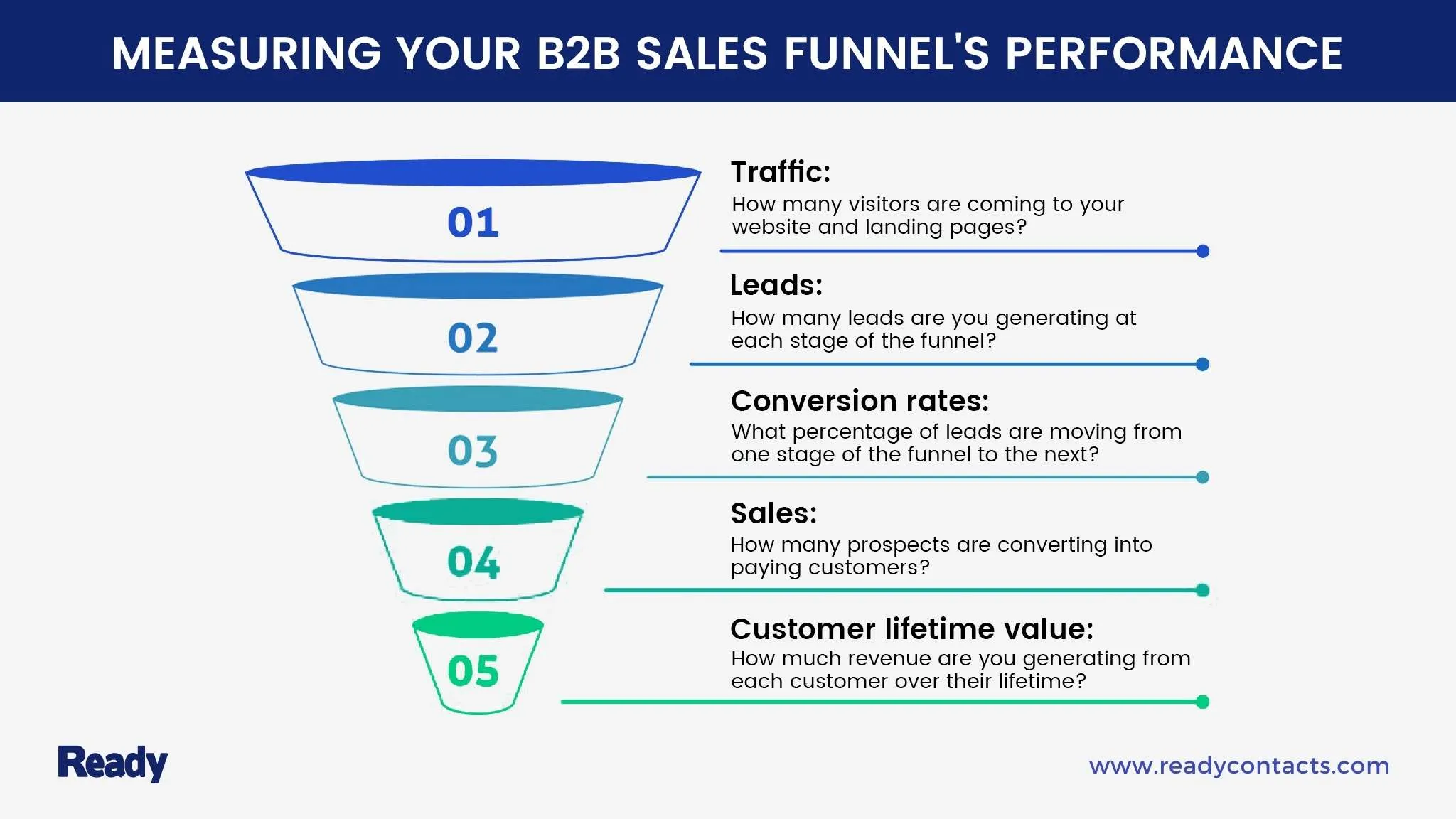
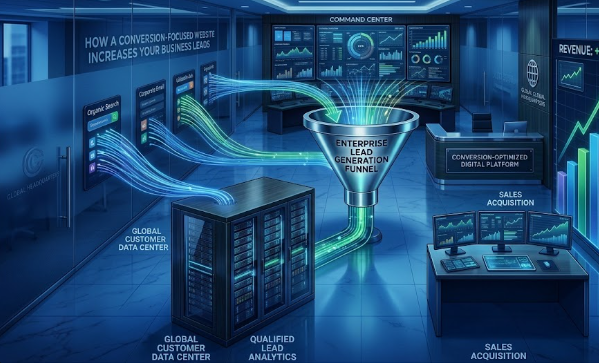
A conversion-focused approach looks at how effectively your website turns visitors into leads.
The basic journey can be understood as:
Website Traffic → Engagement → Trust → Action → Lead
If visitors cannot quickly understand what you offer, find the right information, or identify what they should do next, they may leave without contacting your business.
A website designed around conversions helps reduce this friction and makes it easier for potential customers to take action.
1. A Clear Value Proposition Captures Attention
When someone lands on your website, they should quickly understand three things:
What do you offer?
Who is it for?
Why should they consider your business?
Your homepage headline and supporting content play an important role here.
Instead of using vague statements, businesses should communicate their value proposition clearly.
For example, rather than saying:
“Welcome to Our Digital Solutions Company”
a stronger message could explain the actual benefit:
“Digital Solutions That Help Growing Businesses Build, Reach and Convert Online.”
A clear value proposition helps visitors understand the relevance of your business without making them search through multiple pages.
2. Strong Calls-to-Action Encourage Visitors to Act
A website can have excellent content and attractive visuals, but visitors still need direction.
This is where calls-to-action (CTAs) become important.
Examples include:
- Get a Free Consultation
- Request a Quote
- Book a Demo
- Contact Our Team
- Get Started
- Schedule a Call
- Download the Guide
Effective CTAs should be visible, easy to understand, and connected to the user's intent.
For example, a B2B software company could use “Book a Free Demo” rather than a generic “Click Here.”
Strategically placed CTAs can help visitors understand what they should do next and create a smoother path toward becoming a lead.
3. Simple Navigation Improves the User Experience
Confusing navigation can quickly turn interested visitors into lost opportunities.
A conversion-focused website should make it easy for users to find important information.
A business website may include:
- Home
- About
- Services
- Solutions
- Case Studies
- Blog
- Contact
The exact structure depends on the business, but the principle remains the same: visitors should not have to work hard to find what they need.
Clear navigation allows users to move through the website naturally and reach important conversion points.
4. Mobile-Friendly Design Reaches More Potential Customers
People access websites from smartphones, tablets, laptops, and desktop computers.
If a website does not work properly on smaller screens, visitors may struggle with:
- Reading text
- Clicking buttons
- Completing forms
- Viewing images
- Navigating menus
Responsive web design helps ensure that the website adapts to different screen sizes.
A mobile-friendly website is particularly important because users may discover a business through search engines, social media, advertisements, or other channels while using their phones.
Providing a consistent experience across devices can make it easier for potential customers to interact with your business.
5. Fast Website Performance Reduces Friction
Website speed can influence how users interact with a website.
If pages take too long to load, visitors may leave before viewing the content or reaching a CTA.
Businesses can improve website performance by:
- Compressing large images
- Reducing unnecessary scripts
- Optimizing website code
- Using efficient hosting
- Limiting unnecessary plugins
- Improving page structure
A faster website creates a smoother browsing experience and helps visitors reach important information without unnecessary delays.
For businesses focused on lead generation, performance should be considered part of the overall website strategy rather than simply a technical issue.
6. Trust Signals Can Influence Lead Generation
Before contacting a business, potential customers often want reassurance that they are making the right choice.
A conversion-focused website can use different trust signals to address this concern.
These may include:
- Customer testimonials
- Case studies
- Client logos
- Reviews
- Certifications
- Industry experience
- Portfolio examples
- Security information
- Awards or recognitions
For example, a B2B company could showcase relevant case studies explaining the problem a client faced, the solution provided, and the resulting outcome.
Trust-building content gives potential customers additional information when evaluating a business.
7. Website Content Should Address Customer Problems
Website content should not focus only on describing the company.
It should also answer the questions potential customers are asking.
For example, instead of only saying:
“We provide custom web development services.”
a business could explain:
“Build a website tailored to your business goals, customer journey, and growth requirements.”
Content should help visitors understand:
- What problem does the business solve?
- How does the solution work?
- What benefits can customers expect?
- Who is the service suitable for?
- What makes the offering different?
- What should the visitor do next?
This customer-centered approach can make website content more useful and relevant.
8. Short and Simple Lead Forms Can Increase Opportunities
Long forms can create unnecessary friction.
If a visitor is interested in your service but sees a form asking for too much information, they may decide not to complete it.
Businesses should collect the information they actually need.
For example, an initial lead form could request:
- Name
- Company
- Phone number
- Requirement
Depending on the business model, additional information can be collected later.
The goal is to make the process straightforward while still gathering enough information for the sales team to follow up effectively.
9. Landing Pages Can Support Specific Campaigns
A conversion-focused strategy does not have to rely entirely on the homepage.
Dedicated landing pages can be created for specific services, audiences, products, or marketing campaigns.
For example, a digital marketing agency running an advertising campaign for SEO services could direct users to an SEO-specific landing page instead of its general homepage.
A focused landing page can include:
- A relevant headline
- Clear benefits
- Service information
- Supporting visuals
- Testimonials or case studies
- FAQs
- A strong CTA
- A simple inquiry form
This creates a more focused experience between the marketing campaign and the website.
10. SEO and Conversion Strategy Should Work Together
Search engine optimization helps businesses attract relevant organic traffic, while conversion optimization helps turn that traffic into opportunities.
These two strategies can work together.
SEO can help a website rank for searches related to the business's products or services. Once visitors arrive, conversion-focused design can guide them toward useful actions.
For example:
Search Query → SEO Content → Relevant Landing Page → CTA → Lead
Businesses should therefore avoid treating SEO and website conversion as completely separate activities.
A website needs both visibility and a clear path for visitors to take action.
11. Personalization Can Make the User Journey More Relevant
Different visitors may have different needs.
A startup looking for a website may have different requirements from an established enterprise.
Businesses can make their website experience more relevant by creating dedicated pages for different audiences, industries, services, or use cases.
For example, a technology company could create separate solution pages for:
- Startups
- Small businesses
- SaaS companies
- Enterprise organizations
Relevant messaging can help visitors quickly identify whether the business understands their particular needs.
12. Analytics Helps Identify Conversion Problems
A website should not be treated as a one-time project.
Businesses should monitor how visitors interact with their websites and identify areas that may need improvement.
Important metrics can include:
- Website traffic
- Conversion rate
- Form submissions
- CTA clicks
- Landing page performance
- Bounce or engagement metrics
- Traffic sources
- Lead quality
For example, if a landing page receives significant traffic but very few form submissions, the business can investigate possible reasons.
The issue could involve the messaging, CTA, form length, page structure, offer, or audience targeting.
Data can help businesses make informed improvements rather than relying entirely on assumptions.
13. A/B Testing Can Improve Website Performance
Small changes can sometimes affect how visitors interact with a website.
Businesses can test different versions of elements such as:
- Headlines
- CTA wording
- Button placement
- Form length
- Page layouts
- Images
- Offers
For example, a business could compare two CTA versions to understand which one generates more interactions among its target audience.
A/B testing should be based on measurable goals and sufficient data. Instead of making multiple changes simultaneously, businesses can test specific elements and analyze the results.
Common Website Mistakes That Can Reduce Leads
Even attractive websites can struggle to generate leads if they have conversion barriers.
Common issues include:
Too Much Information
Large blocks of text can make important messages difficult to identify. Content should be structured with clear headings, short paragraphs, bullets, and relevant visuals.
Weak CTAs
Generic CTAs may not clearly communicate what happens next. Businesses should use action-oriented language that matches the visitor's intent.
Poor Mobile Experience
A website that works well on desktop but poorly on mobile can create unnecessary friction.
Missing Trust Elements
Visitors may hesitate to contact a business if there is little evidence of experience, results, or customer satisfaction.
Complicated Forms
Asking for too much information at the first stage can discourage potential leads.
Slow Loading Pages
Performance issues can create a poor user experience and may cause visitors to leave before interacting with the website.
How Devobyte Can Help Build a Conversion-Focused Website
At Devobyte, website development can go beyond creating an attractive online presence. Businesses need websites that support their broader digital goals.
A conversion-focused website can combine:
- Responsive web development
- User-focused design
- Clear website architecture
- SEO-friendly structure
- Strategic CTAs
- Lead-generation forms
- Landing pages
- Performance optimization
- Analytics integration
- Business-specific content
The exact strategy depends on the business, its target audience, services, and objectives.
By combining design, development, SEO, and conversion principles, businesses can create a website that supports both customer experience and lead generation.
Conclusion
A website should do more than tell people that your business exists. It should help potential customers understand your offering, build confidence, and take the next step.
A conversion-focused website brings together clear messaging, intuitive navigation, responsive design, fast performance, relevant content, strong CTAs, trust signals, and measurable analytics.
For businesses investing in digital marketing, improving website conversion can be an important part of turning online visibility into real business opportunities.
Instead of asking only, “How can we get more website visitors?” businesses should also ask, “How can we make it easier for the right visitors to become leads?”
That shift in approach can help create a website that is not just visually appealing, but strategically designed to support business growth.
Looking to build a website designed around your business goals? Connect with Devobyte to explore web development and digital solutions tailored to your needs.