
In 2026, having a strong online presence is no longer optional for small businesses. Customers are increasingly using Google, social media, online reviews, websites, and AI-powered search tools to discover and evaluate businesses before making a purchase. For small businesses, this creates an opportunity to compete with larger brands without spending huge amounts on traditional advertising.
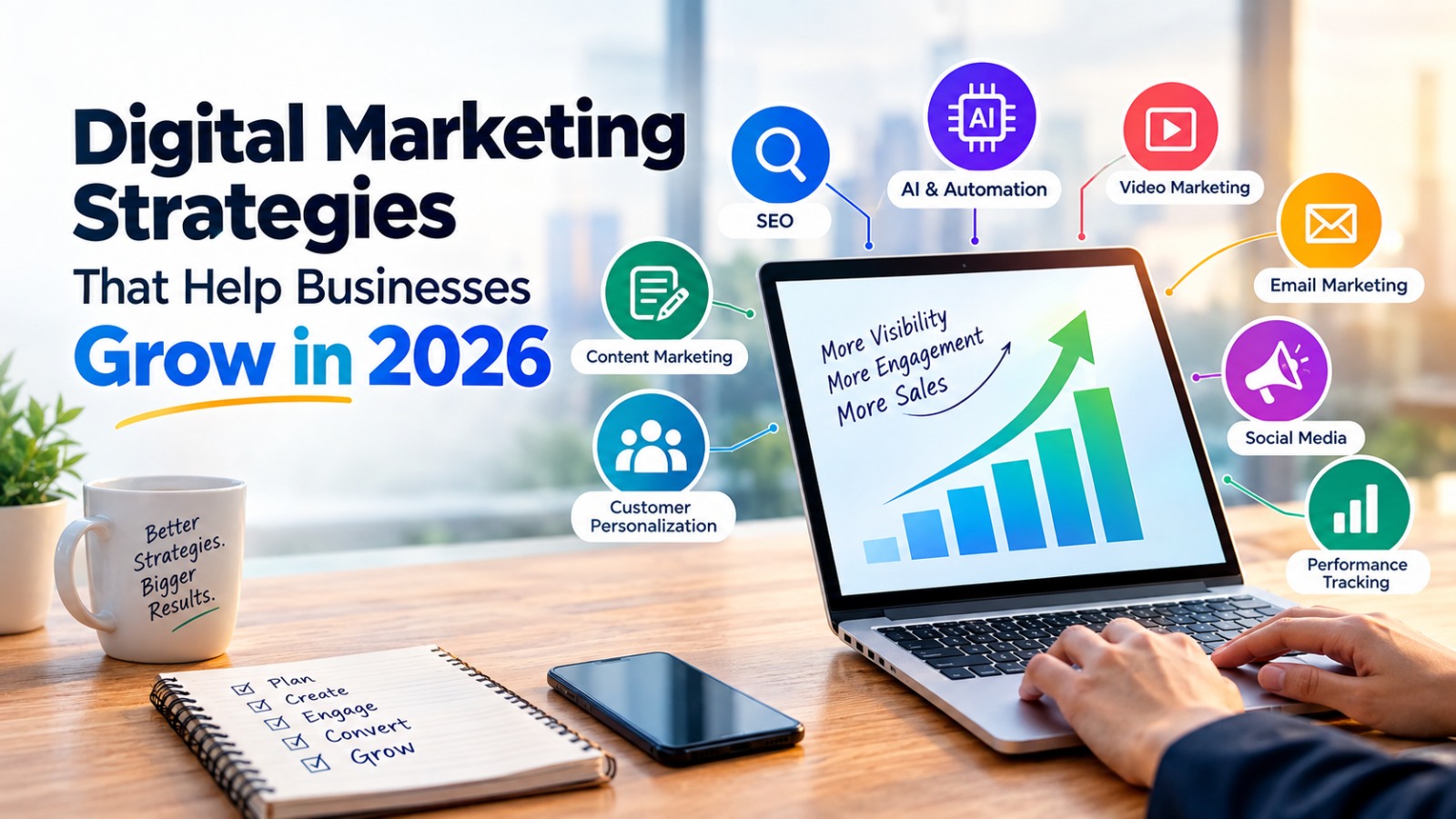
However, digital marketing is not simply about posting on social media or running advertisements. A successful digital marketing strategy combines SEO, content marketing, social media marketing, email marketing, paid advertising, lead generation, and data analysis to attract the right audience and convert them into customers.
The key is to choose the right channels, understand your target audience, create useful content, and continuously measure performance.
In this blog, we explore the most effective digital marketing strategies for small businesses in 2026 and how businesses can use them to increase visibility, generate leads, and grow sustainably.
Why Digital Marketing Matters for Small Businesses in 2026
Small businesses often have limited budgets compared with established companies. Digital marketing allows them to reach specific audiences without relying entirely on expensive traditional advertising.
A well-planned digital marketing strategy can help a small business:
- Increase online visibility
- Reach a targeted audience
- Generate qualified leads
- Build brand awareness
- Improve customer engagement
- Increase website traffic
- Build customer trust
- Improve conversion rates
- Measure marketing performance
Instead of trying to reach everyone, small businesses can focus their marketing efforts on people who are most likely to become customers.
1. Build a Strong Business Website
Your website is often the first place potential customers go after discovering your business. Therefore, having a professional and user-friendly website should be one of the first priorities in your digital marketing strategy.
A good business website should clearly communicate:
- What your business offers
- Who your target customers are
- How your products or services solve their problems
- Why customers should choose you
- How visitors can contact or purchase from you
Your website should also be mobile-friendly, fast-loading, easy to navigate, and optimized for search engines.
Most importantly, every important page should have a clear call to action (CTA) such as “Get a Quote,” “Book a Consultation,” “Contact Us,” or “Request a Demo.”
A website should not simply provide information. It should help turn visitors into leads and customers.
2. Focus on Local SEO
For small businesses serving a specific city or region, local SEO can be one of the most valuable digital marketing strategies.
Local SEO helps businesses appear when people search for products or services in their area. For example, someone searching for “digital marketing agency in Gurgaon” is already showing strong commercial intent.
To improve local SEO, businesses should:
- Optimize their Google Business Profile
- Keep business information accurate
- Use location-based keywords naturally
- Collect genuine customer reviews
- Create location-specific website content
- Maintain consistent business information across online directories
Local SEO is particularly useful for restaurants, clinics, agencies, salons, consultants, retailers, and other location-based businesses.
3. Develop an SEO Strategy
Search engine optimization remains an important long-term strategy for businesses that want to generate organic traffic.
Instead of paying for every website visitor, SEO helps businesses improve their visibility in search engine results and attract people who are actively looking for relevant information, products, or services.
A strong SEO strategy should include:
Keyword Research
Identify the keywords your potential customers use when searching for your products or services.
For example, a software company might target keywords such as:
- CRM software for small businesses
- customer management software
- sales automation tools
- business CRM solutions
On-Page SEO
Optimize page titles, headings, URLs, meta descriptions, internal links, images, and content around relevant search queries.
High-Quality Content
Create useful content that answers real customer questions instead of writing articles simply to include keywords.
Link Building
Earn relevant backlinks from credible websites to improve website authority and visibility.
SEO requires consistency, but the long-term traffic and visibility it can generate make it an important investment for small businesses.
4. Use Content Marketing to Build Authority
Content marketing allows small businesses to demonstrate their expertise while helping potential customers.
Instead of constantly promoting products, businesses can create content that solves customer problems.
Content can include:
- Blog posts
- Guides
- Case studies
- Videos
- Infographics
- Social media posts
- Email newsletters
- FAQs
- Industry insights
For example, a digital marketing agency could publish articles about SEO, lead generation, social media marketing, AI automation, and online advertising.
The goal is to create content that answers questions customers are already asking.
When businesses consistently provide useful information, they can build credibility and stay in front of potential customers throughout their buying journey.
5. Create a Consistent Social Media Strategy
Social media is an important channel for building brand awareness and engaging with customers.
However, businesses do not need to be active on every social media platform. The right platform depends on where their target audience spends time.
A B2B company may benefit more from LinkedIn, while a fashion or beauty business may focus heavily on Instagram.
A strong social media strategy should include different types of content, such as:
- Educational content
- Industry tips
- Customer testimonials
- Behind-the-scenes content
- Product demonstrations
- Short-form videos
- Polls and questions
- Company updates
Consistency is more important than posting randomly. Businesses should create a content calendar and maintain a regular publishing schedule.
6. Use LinkedIn for B2B Lead Generation
For B2B businesses, LinkedIn can be an effective platform for building professional relationships and generating leads.
Instead of sending generic promotional messages, businesses should focus on personalized outreach.
An effective LinkedIn lead generation strategy can involve:
- Identifying the ideal customer profile
- Finding relevant decision-makers
- Optimizing the company's LinkedIn profile
- Publishing valuable industry content
- Engaging with prospects
- Sending personalized messages
- Following up professionally
The objective should not be to immediately sell something. Building trust and starting relevant conversations can produce better long-term results.
7. Use AI to Improve Marketing Efficiency
Artificial intelligence is becoming increasingly useful for small businesses in 2026.
AI tools can help businesses with tasks such as:
- Content research
- Content ideation
- Customer support
- Data analysis
- Email personalization
- Lead qualification
- Chatbots
- Workflow automation
For example, an AI chatbot can answer common customer questions and help collect leads outside normal business hours.
However, AI should support marketing teams rather than completely replace human creativity and decision-making. Businesses should review AI-generated content carefully and make sure it reflects their brand voice and provides genuine value.
8. Invest in Paid Advertising Strategically
Organic marketing can take time. Paid advertising can help small businesses reach relevant customers more quickly.
Businesses can use platforms such as Google Ads and social media advertising to target specific audiences.
However, running ads without a clear strategy can quickly waste a limited marketing budget.
Before launching a campaign, define:
- Campaign objective
- Target audience
- Budget
- Keywords or audience segments
- Ad message
- Landing page
- Conversion goal
- Key performance indicators
Start with a controlled budget, measure results, and increase spending on campaigns that demonstrate positive performance.
9. Build an Email Marketing Strategy
Email marketing remains useful because it allows businesses to communicate directly with people who have already shown interest in their products or services.
Businesses can use email marketing for:
- Welcome emails
- Product updates
- Promotional offers
- Educational newsletters
- Event invitations
- Customer follow-ups
- Lead nurturing
The key is to provide value instead of sending excessive promotional emails.
Segmenting subscribers based on their interests and behavior can also make campaigns more relevant and effective.
10. Track Marketing Performance
One of the biggest advantages of digital marketing is the ability to measure results.
Small businesses should regularly monitor metrics such as:
- Website traffic
- Organic search traffic
- Leads generated
- Conversion rate
- Cost per lead
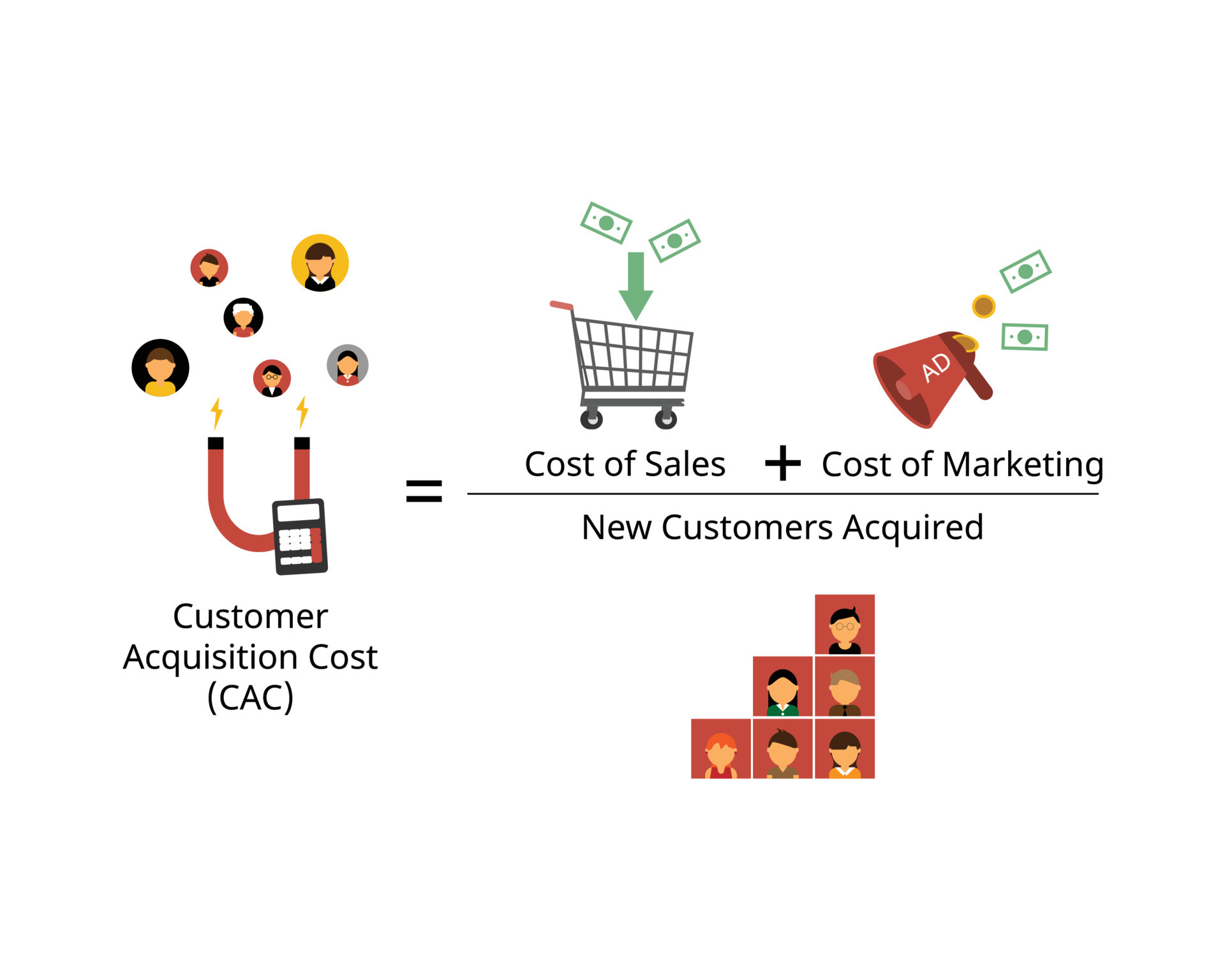
- Customer acquisition cost
- Social media engagement
- Email open and click rates
- Return on advertising spend
Tracking these metrics helps businesses understand which marketing activities are producing results.
For example, if a company receives significant website traffic from SEO but very few leads, the problem may not be traffic. It could be the landing page, offer, CTA, or conversion process.
Data allows businesses to identify these gaps and make better decisions.
11. Focus on Customer Experience
Digital marketing does not end when someone clicks an advertisement or fills out a form.
The customer experience after that interaction is equally important.
Businesses should make it easy for customers to:
- Contact the company
- Get answers to questions
- Understand pricing
- Complete purchases
- Schedule appointments
- Receive support
Fast responses, clear communication, useful content, and personalized interactions can help turn first-time customers into repeat customers.
12. Create an Integrated Digital Marketing Strategy
The most effective approach is not to treat every marketing channel separately.
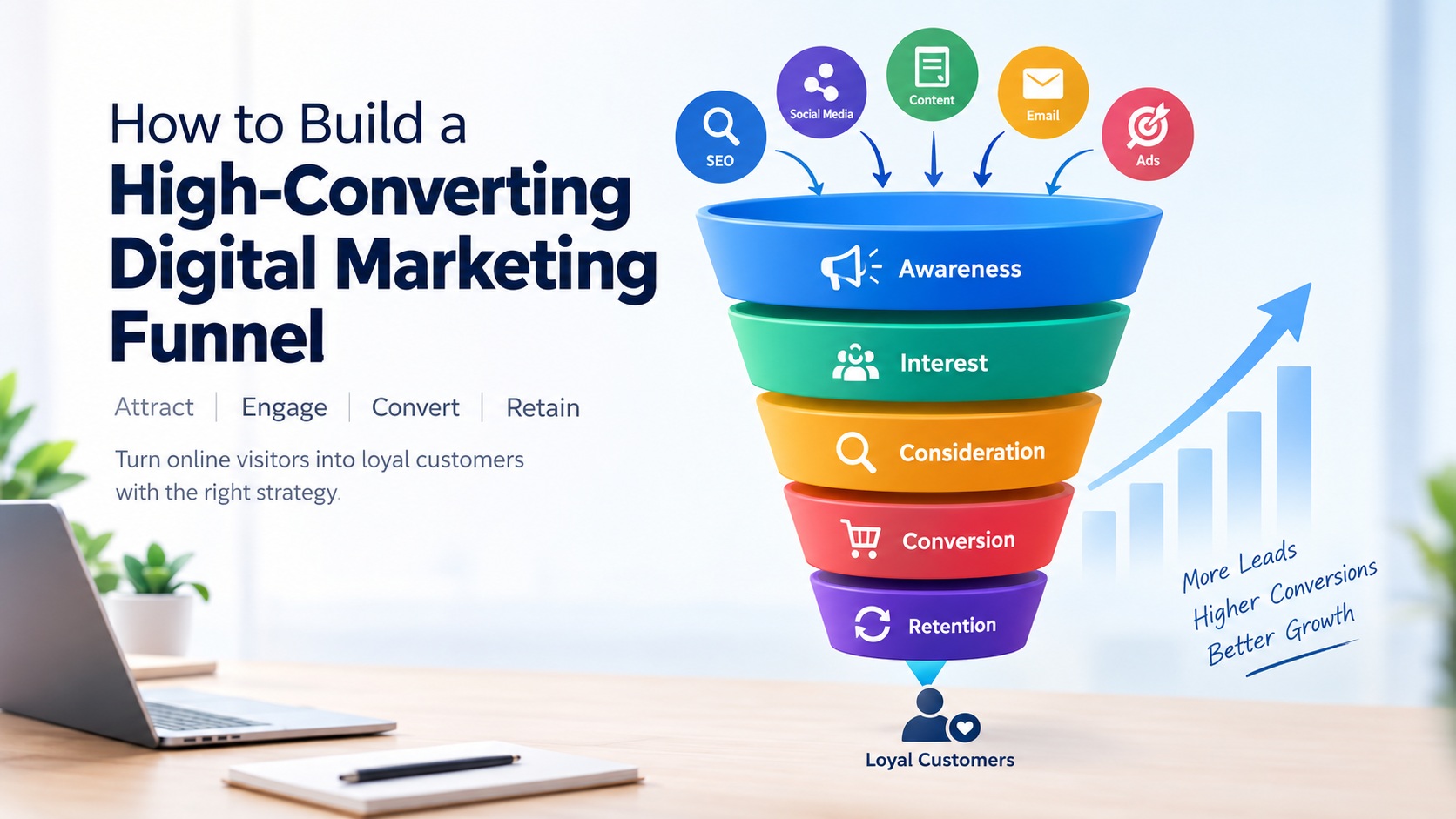
For example, a small business could use SEO to attract organic traffic, blog content to educate visitors, social media to distribute that content, LinkedIn to generate B2B leads, email marketing to nurture prospects, and paid advertising to reach high-intent customers.
These channels can work together to create a complete customer journey.
The process could look like:
Search → Website → Content → Lead → Email/Follow-up → Conversion → Repeat Customer
This integrated approach allows businesses to build a more predictable marketing system rather than depending on a single channel.
Common Digital Marketing Mistakes Small Businesses Should Avoid
While developing a digital marketing strategy, businesses should avoid several common mistakes.
Trying Every Platform
Being active everywhere can spread limited resources too thin. Focus on platforms that matter to your target audience.
Posting Without a Strategy
Random posts may generate occasional engagement but are unlikely to support long-term business goals.
Ignoring SEO
Businesses that completely ignore organic search may miss customers who are actively searching for their products or services.
Focusing Only on Followers
A large follower count does not necessarily mean business growth. Leads, conversions, revenue, and customer retention are more meaningful metrics.
Not Measuring Results
Without analytics, it is difficult to understand what is working and where the marketing budget should be invested.
Final Thoughts
The best digital marketing strategies for small businesses in 2026 are not necessarily the ones that require the biggest budgets. They are the strategies that understand the target audience, deliver useful content, build trust, and continuously improve based on data.
Small businesses can start with a strong website, SEO, content marketing, social media, local SEO, email marketing, and targeted advertising. As the business grows, AI automation, advanced analytics, and more sophisticated lead-generation strategies can be added.
The most important step is to start with clear business goals and build a strategy around them.
With the right combination of SEO, content, social media, lead generation, paid advertising, AI, and data-driven decision-making, small businesses can build a stronger online presence and create sustainable growth in 2026.
How Devobyte Can Help
Building and managing multiple digital marketing channels can be challenging for a growing business. Devobyte helps businesses strengthen their digital presence through services such as SEO, content marketing, social media marketing, lead generation, AI automation, and other digital solutions.
A well-planned digital strategy can help your business attract the right audience, generate qualified leads, and turn online visibility into measurable business growth.