
A website is often the first interaction a customer has with a business. Naturally, businesses want that first impression to look impressive, with modern layouts, animations, large images, videos, and interactive elements. But there is one important question that is sometimes overlooked: how quickly does the website actually load? A website can look amazing, but if visitors have to wait several seconds before they can use it, the design may not matter much. In a world where people expect information almost instantly, a fast website can create a better experience than a website filled with unnecessary visual effects.
The First Few Seconds Matter
When someone visits a website, they usually have a specific goal. They might be looking for a product, checking a service, finding contact information, reading an article, or making a purchase. If the page takes too long to load, they may simply leave and look somewhere else. This is especially important on mobile devices, where users may be dealing with slower connections or limited data.
Think about visiting a restaurant website. You click the link expecting to see the menu, but instead you get a large animation, multiple images loading one after another, and a page that takes several seconds to become usable. Even if the website looks beautiful, you may not wait. A simple website that opens quickly and shows the menu immediately can provide a much better experience.
What Makes a Website Slow?
Website speed is affected by many factors. Large, uncompressed images are one of the most common problems. High-quality images are useful, but uploading unnecessarily large files can increase the amount of data a browser needs to download. Videos, animations, third-party scripts, plugins, and poorly optimized code can also add to loading time.
Hosting can make a difference as well. A website may be well designed and properly coded, but poor server performance can still affect how quickly content reaches visitors. This is why website performance is not just a design problem. It involves the entire process, from the code and images to the server delivering the website.
Fast Does Not Mean Boring
Choosing speed over unnecessary complexity does not mean businesses need to have boring websites. A fast website can still have a professional and attractive design. The goal is to use design elements where they actually add value instead of adding them simply because they look impressive.
For example, a subtle animation that helps guide a visitor toward a “Get Started” button can improve the experience. On the other hand, several large animations that delay the main content may create frustration. Good web design is about finding the right balance between visual appeal, usability, and performance.
Speed Can Affect the Customer Journey
Website performance can influence what happens after a visitor arrives. When important information is easy to access, visitors can move naturally from one step to another. They can understand the service, explore products, read reviews, contact the business, or complete a purchase without unnecessary interruptions.
A slow website can create friction at every stage. Instead of focusing on the product or service, the visitor is waiting for pages, images, or buttons to respond. Over time, these small delays can make the entire experience feel frustrating.
For businesses, this matters because a website is not simply an online brochure. It is often part of the customer journey. Whether the goal is generating leads, selling products, booking appointments, or getting enquiries, the website needs to make that journey as smooth as possible.
Mobile Users Make Performance Even More Important
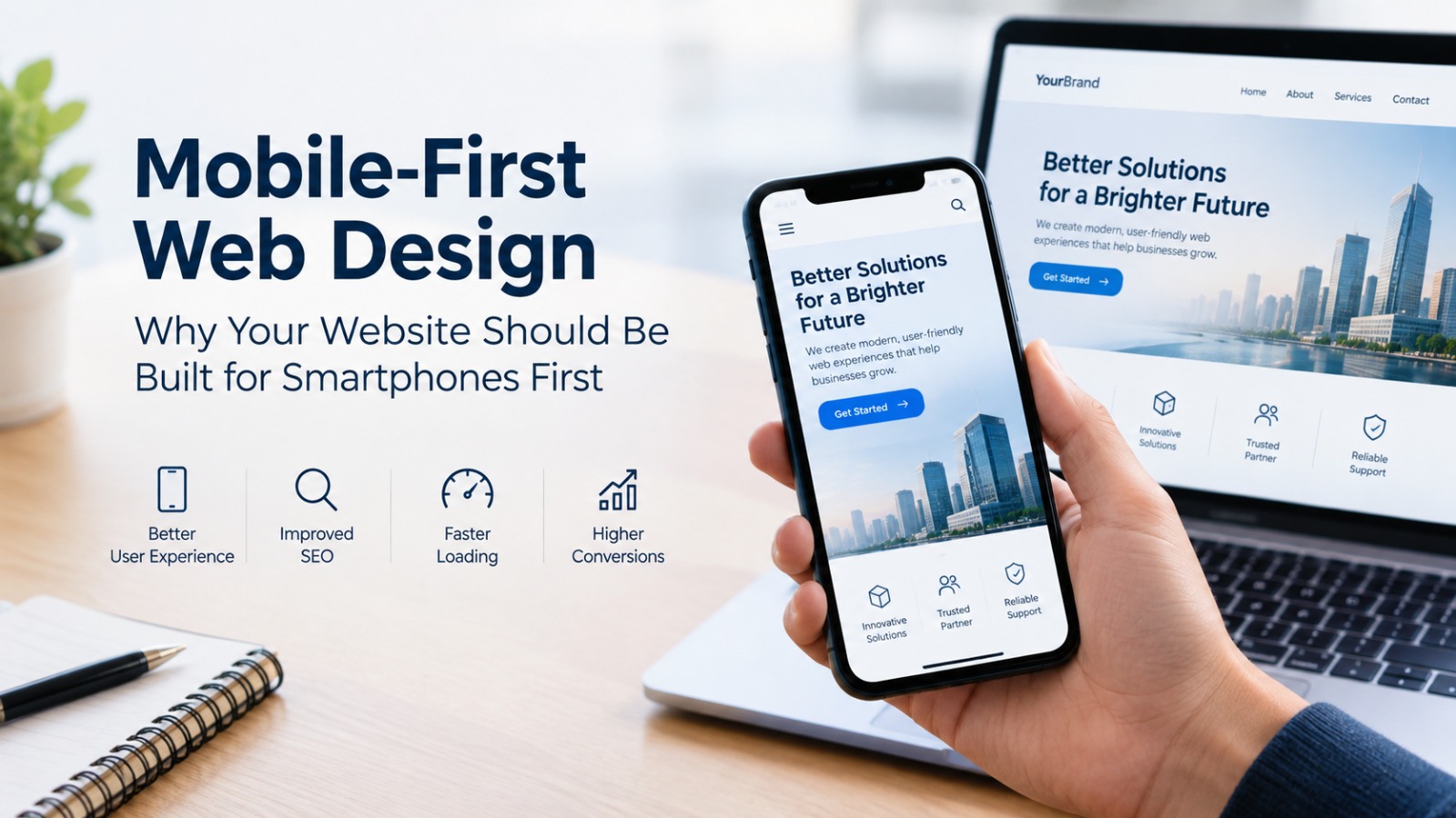
Today, websites need to work well across different screen sizes and devices. A website that looks perfect on a desktop computer but takes too long to load on a smartphone is not providing a consistent experience.
Mobile visitors may also have limited bandwidth, older devices, or less powerful hardware. A lightweight website can therefore make the experience more accessible to a wider range of users. Businesses should test their websites on mobile devices rather than assuming that desktop performance tells the whole story.
How Businesses Can Improve Website Speed
Improving website performance does not always require rebuilding an entire website. Small changes can make a noticeable difference. Businesses can start by compressing images, using modern image formats, reducing unnecessary animations, and removing scripts or plugins that are not actually needed.
Caching can help browsers load frequently used resources more efficiently, while content delivery networks can help deliver website assets from servers closer to users. Developers can also optimize CSS and JavaScript, reduce unnecessary requests, and make sure the website's hosting environment is suitable for its expected traffic.
The important thing is to identify what is actually slowing the website down instead of randomly removing features. Performance tools can help developers find these issues and prioritize improvements.
The Right Website Is Fast and Beautiful
The choice should not really be between a fast website and a beautiful website. The best approach is to create a website that combines both. Design should attract visitors, while performance should make it easy for them to stay and take action.
A good website does not need to show everything at once. It should present the most important information clearly, load essential content quickly, and use visual elements thoughtfully. Every image, animation, button, and interactive feature should have a purpose.
At the end of the day, visitors are not coming to a website just to admire its design. They are coming because they want something—information, a product, a service, an answer, or a way to contact a business. A fast website respects their time and helps them get there.
A fancy website may get attention, but a fast, useful, and well-designed website is more focused on what actually matters: giving visitors a smooth experience and helping businesses achieve their goals.