Imagine opening a shop where hundreds of people walk in every day. They browse your products, look around, and even show interest. But at the end of the day, almost nobody buys anything.
Frustrating, right?
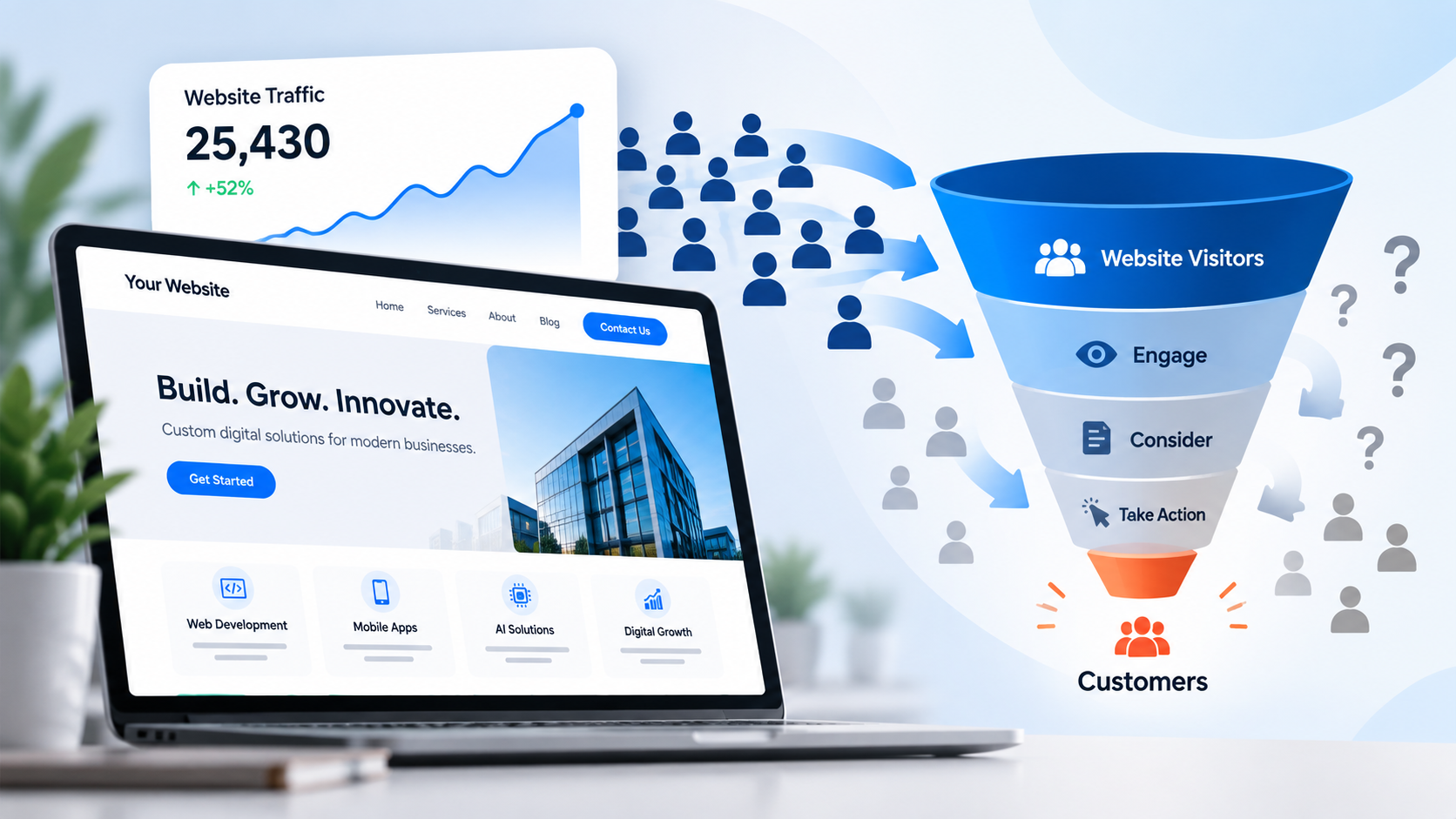
The same thing happens to thousands of business websites. They attract visitors through Google, social media, advertisements, and other marketing channels. Their website analytics show impressive traffic numbers, yet enquiries, leads, and sales remain surprisingly low.
Here’s the reality: getting people to visit your website is only half the job. The real challenge is turning those visitors into customers.
If your website receives traffic but struggles to generate business, the problem might not be your marketing strategy. It could be what happens after someone lands on your website.
Let’s explore why this happens and what you can do about it.
Your Website Looks Good, But Is It Easy to Use?
A visually attractive website creates a strong first impression. However, appearance alone doesn’t guarantee conversions.
Imagine visiting a website to purchase a service. The design looks impressive, but you cannot find the pricing, understand the services, or locate the contact button. Would you continue searching or simply visit another website?
Most visitors don’t want to spend unnecessary time figuring out how a website works.
A good user experience means keeping navigation simple, making important information easy to find, using readable fonts and appropriate spacing, and ensuring visitors can quickly understand where they need to go next.
A successful website should guide visitors naturally from discovering your business to taking action.
Good design isn’t just about how your website looks. It’s also about how easily people can use it.
Your Website Doesn’t Clearly Explain What You Offer
When someone visits your website for the first time, they should quickly understand three things: What does your business offer? How can your business solve their problem? And what should they do next?
If visitors cannot find these answers, they may leave without exploring further.
For example, consider two website headlines.
“Welcome to Our Innovative Digital Solutions.”
And:
“We Build Custom Websites That Help Businesses Grow Online.”
The second headline communicates the service and its intended benefit much more clearly.
Your website should focus on your customers’ problems and explain how your services address them. Avoid filling your homepage with complicated technical terminology or vague marketing statements. Instead, use simple language, meaningful headlines, and clear descriptions that help potential customers understand your business.
Your Call-to-Action Isn’t Strong Enough
A call-to-action, or CTA, tells visitors what to do next. It could encourage someone to contact your team, request a quotation, book a consultation, explore your services, or start a project.
However, many websites either hide their CTAs or use generic buttons that don’t communicate much value.
Instead of simply saying “Submit”, a business could use more specific wording such as “Get a Free Consultation,” “Request a Project Quote,” or “Explore Our Services.”
Your CTA should be relevant to the visitor’s needs and appear naturally throughout the website. Visitors should also understand what will happen after clicking it.
A clear CTA removes uncertainty and makes it easier for visitors to take the next step.
Your Website Is Too Slow
Think about the last time you visited a website that took too long to load.
Did you patiently wait, or did you close the tab?
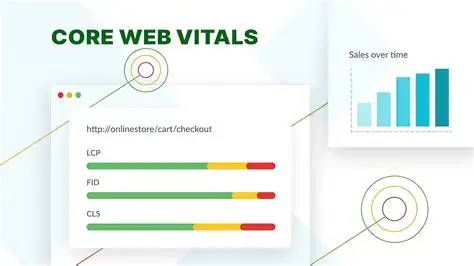
Website performance plays an important role in the user experience. Slow-loading pages can frustrate visitors and create unnecessary obstacles before they even get a chance to explore your services.
Large images, unnecessary plugins, inefficient code, and poor hosting can all contribute to performance problems.
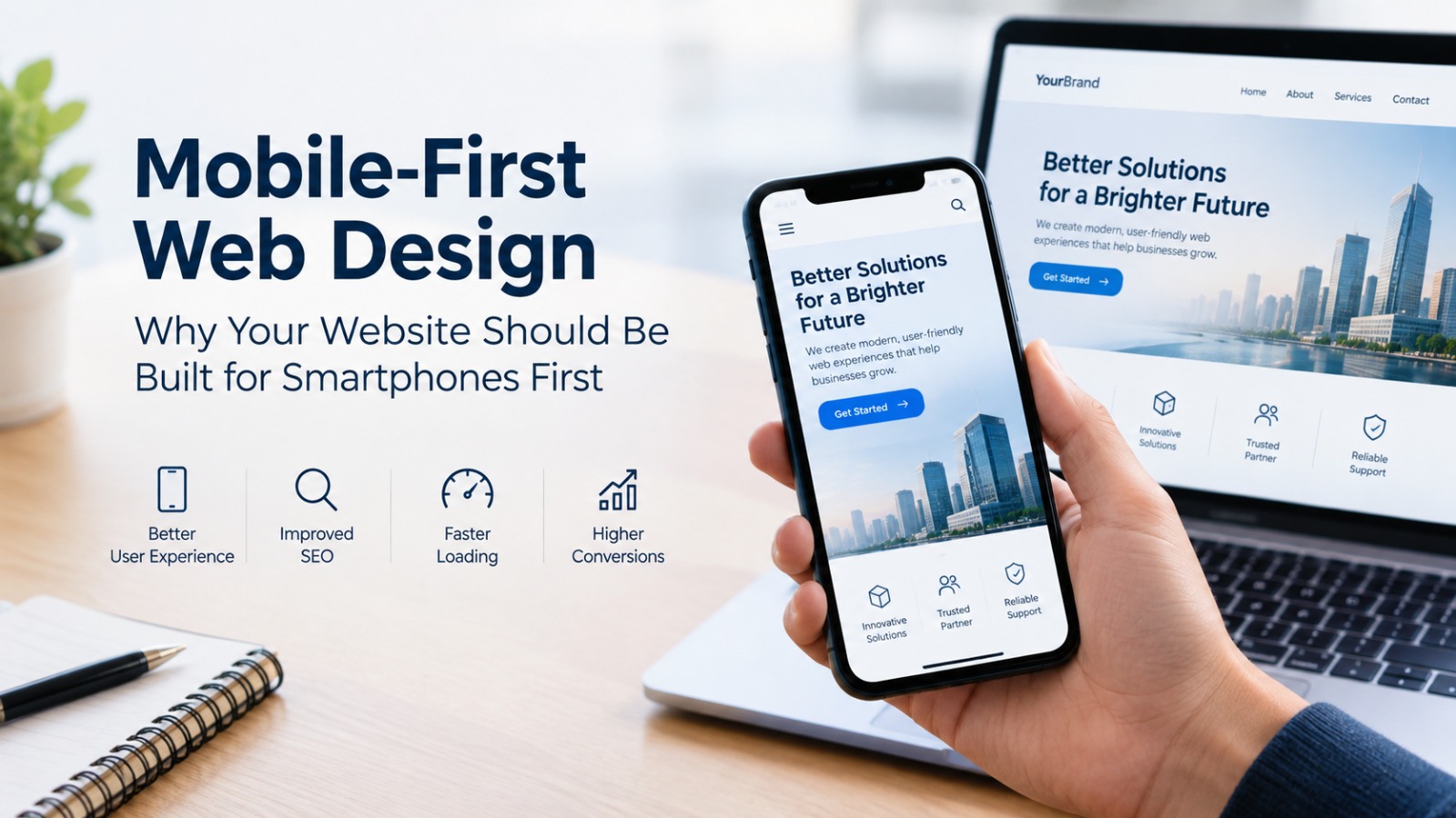
Improving website speed can involve compressing images, removing unnecessary scripts and plugins, using efficient hosting, enabling caching where appropriate, and optimising the website for mobile devices.
You can also use tools such as Google PageSpeed Insights to identify potential performance improvements.
A faster website allows visitors to access information without unnecessary delays and creates a smoother browsing experience.
Your Website Isn’t Building Enough Trust
Before contacting a business or making a purchase, customers often look for signs that the company is reliable.
They may want to see previous projects, customer testimonials, business information, or examples of successful work.
If your website lacks these elements, visitors might hesitate to share their contact information or take the next step.
This is where genuine testimonials, case studies, a professional About Us page, clear business contact information, and relevant certifications or achievements can help.
Avoid exaggerated claims or testimonials that cannot be verified. Authenticity matters.
Showing real examples of your work can help potential customers understand your capabilities and make a more informed decision.
Your Contact Form Is Creating Unnecessary Obstacles
A visitor has explored your services, understands your offering, and finally decides to contact your business.
But there’s one problem.
Your contact form asks for their full name, email address, phone number, company name, company size, location, project budget, and several other details.
What should have been a simple enquiry suddenly feels like a lengthy application.
Every unnecessary step creates another opportunity for visitors to abandon the process.
Start by requesting only the information your team genuinely needs for an initial conversation. For example, a simple enquiry form might ask for the visitor’s name, email address, and a brief description of their project.
You can always request additional information during a follow-up conversation.
Most importantly, make sure your form works properly across mobile and desktop devices and provides a clear confirmation after submission.
The easier it is to contact your business, the fewer unnecessary obstacles potential customers encounter.
You’re Attracting Visitors Who Aren’t Your Target Customers
Not all website traffic is equally valuable.
Imagine running a company that develops custom software for businesses. Your website receives thousands of visitors searching for free programming tutorials.
Your traffic numbers might look impressive, but those visitors may not be looking to purchase your services.
This is why understanding visitor intent is important.
Instead of focusing exclusively on attracting more visitors, concentrate on attracting people who are genuinely interested in your products or services.
Create content that addresses your target audience’s actual problems, questions, and purchasing considerations.
For example, a software development company could publish articles about choosing a development partner, estimating project requirements, or understanding the software development process. These topics are more closely connected to people who may eventually need professional development services.
The goal isn’t simply to attract more traffic. It’s to attract the right traffic.
You’re Not Tracking What Visitors Actually Do
How can you improve your website if you don’t know where visitors encounter problems?
Website analytics can provide valuable insights into visitor behaviour. Instead of monitoring only the number of visitors, examine how people interact with individual pages.
Look at metrics such as conversion rate, engagement, traffic sources, landing-page performance, and form submissions.
Tools such as Google Analytics and Microsoft Clarity can help you understand how visitors interact with your website and identify areas that may need improvement.
However, avoid making major website changes based on a single metric.
For example, a visitor leaving after reading an informative article doesn’t necessarily mean they had a bad experience. They may have simply found the information they needed.
Look at multiple signals together and evaluate them against your website’s actual business objectives.
Turn Website Traffic Into Business Opportunities
Improving website conversions doesn’t always require a complete website redesign.
Sometimes, relatively small improvements can remove significant obstacles from the customer journey.
A clearer headline, a more visible contact button, faster page loading, or a simpler enquiry form could make it easier for visitors to move forward.
The key is to approach website improvements strategically.
Start by identifying your website’s primary objective. Do you want visitors to request quotations, schedule consultations, purchase products, or subscribe to a service?
Next, examine the steps visitors need to take to complete that objective.
Look for unnecessary obstacles, develop possible improvements, and test those changes.
Instead of changing everything at once, consider testing individual improvements so you can better understand what actually makes a difference.
Your Website Conversion Checklist
Take a few minutes to look at your website and ask yourself:
Can a first-time visitor understand what we offer within a few seconds?
Is it immediately clear what we want visitors to do next?
Can visitors easily find our contact information?
Does the website load quickly on both desktop and mobile?
Does the website provide enough information to build trust?
Is the enquiry or checkout process simple?
Are we attracting the right audience?
Are we tracking what visitors do after they arrive?
If several of these questions have a “no” answer, your website may have opportunities for improvement.
Conclusion: Traffic Is Important, But Conversions Drive Results
Getting visitors to your website is an important achievement, but traffic alone doesn’t guarantee business growth.
Your website also needs to communicate your value, build trust, deliver a smooth user experience, and make it easy for potential customers to take action.
By improving website performance, simplifying navigation, strengthening your messaging, and understanding visitor behaviour, you can create a clearer path from website visits to meaningful business enquiries.
Remember, a successful website isn’t necessarily the one attracting the highest number of visitors. It’s one that helps the right visitors find what they need and take the next appropriate step, while supporting your business objectives.
Ready to Make Your Website Work Harder for Your Business?
At Devobyte, we believe a business website should do more than establish an online presence. It should be designed around your business goals and the needs of your customers.
Whether you’re planning a new website or looking to improve an existing one, thoughtful web development and a user-focused approach can help you build a stronger digital presence.
Explore Devobyte to learn more about digital solutions and how a well-designed website can support your next business goal.